Hill Day 2026: United in purpose, nurses take crucial issues to policymakers
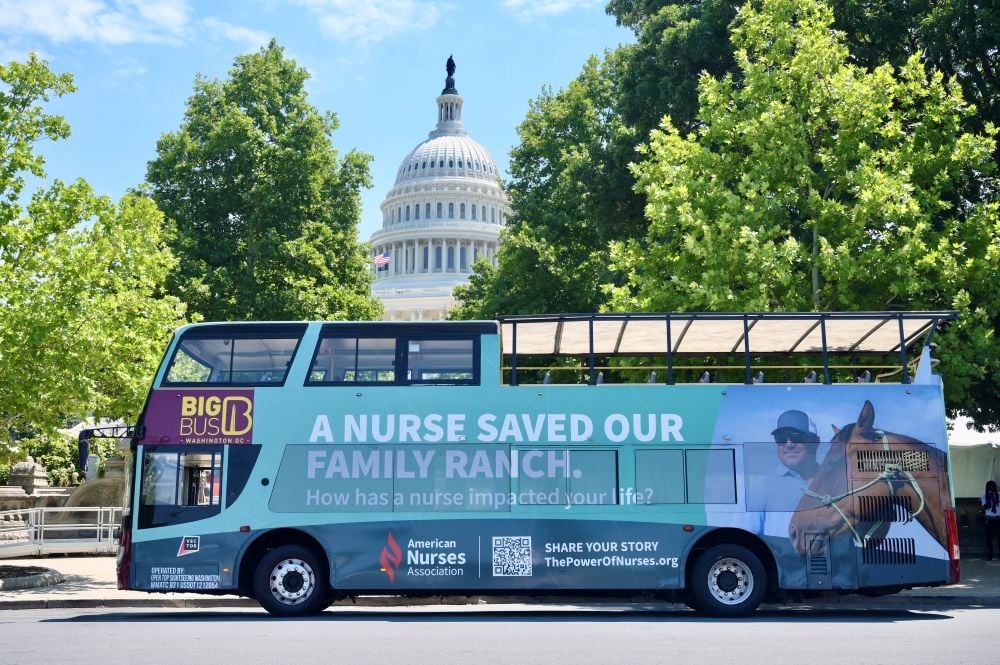
Nurses from across the United States convened today on Capitol Hill as part of the American Nurses Association (ANA) Hill Day, where they carried out one of the most fundamental acts of democracy: engaging directly with elected representatives about the policies and regulations that shape nursing practice, affect patients, and impact the nation’s health.
More than 500 individuals from 49 states, the District of Columbia, Guam, and the U.S. Virgin Islands educated members of Congress and their staff about priority legislative issues for the nursing profession, including:
- Recognizing nursing as a professional degree for federal student loan limits
- Protecting nurses from workplace violence
- Improving patients' access to care
- Reauthorizing Title VIII Nursing Workforce Programs
“Bring your lived experience to our meetings. Bring your expertise. Bring your stories. Bring the full power of your voice,” urged ANA President Jennifer Mensik Kennedy, PhD, MBA, RN, NEA-BC, FAAN. Noting that nurses have been ranked by the public as the most honest and ethical professionals for 24 consecutive years, she emphasized, “Today comes down to our face-to-face conversations with each member…so, walk into those meetings with confidence. Help policymakers understand what these decisions mean to real people.”
The passionate and energized group of nurses had 357 House and Senate meetings, including 87 meetings with members themselves.
“Legislators need to understand the needs of our patients and the needs of the nurses,” said Lenore Sears-Gay, MSN, MBA, RN, vice president of the Pennsylvania State Nurses Association. “There's nothing like giving our true story and our real, our lived experiences to make an impression upon the legislators. If they don't hear our true experience, then they're not going to understand and fight for us.”
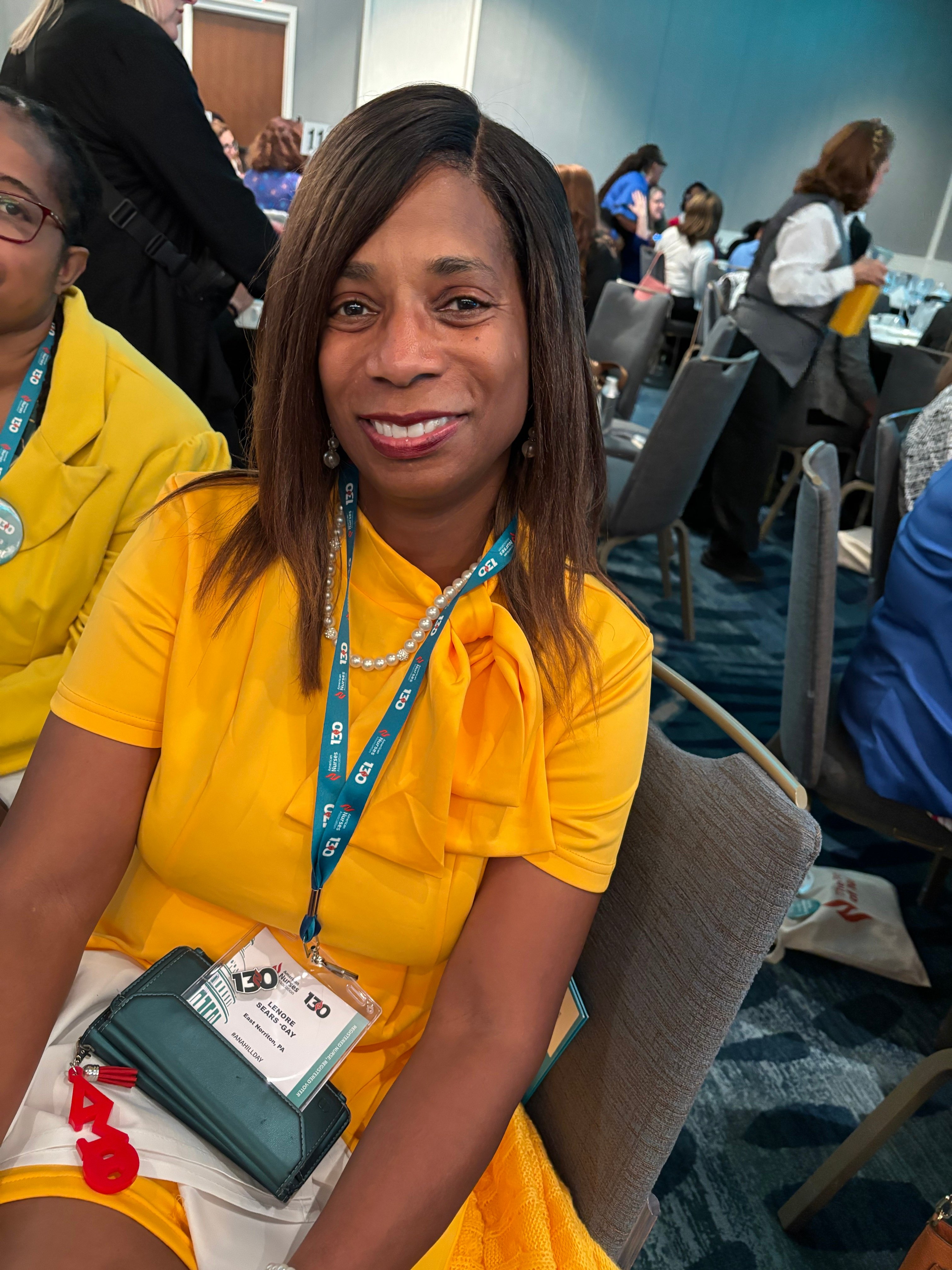
Lenore Sears-Gay
A survival moment
Before nurses left for their Hill Day visits, they welcomed Representative Lauren Underwood (IL-14), who had a "fireside chat" with Mensik Kennedy. Underwood serves as a vice-chair of the Congressional Nursing Caucus, a bipartisan group of legislators dedicated to advancing policies that support the nation's more than 5 million RNs.
Describing the current policy and regulatory environment as a “survival moment” for the profession, Underwood emphasized, “we are the most respected by far of professions, but we should not be relying on a sense of benevolence or a sense that people just like us and therefore are able meet our basic needs.”
She urged attendees to make the case for nursing issues not only during their Hill Day visits but also during Town Halls and other meetings in their representatives’ home districts. “Everything we want is in our grasp. We should do everything we can dial up the pressure, so that [my colleagues] are running to the clerk's desk to put their name on our legislation to deal with the student loan issue.” She added, “This moment is teaching us a lot, and when we fully realize and actualize our power, there will be no stopping us.”
Making the case for nursing issues
A top priority for Hill Day attendees was urging their representatives to support the Nursing is a Professional Degree Act (H.R. 8691 / S. 4568). This bipartisan legislation would correct the Department of Education’s classification of post-baccalaureate nursing studies as “graduate” rather than “professional” for purposes of federal loan limits. This vital bill would ensure that nursing is appropriately treated within the “professional program” framework, ensure that post-baccalaureate nursing students receive consistent treatment with comparable programs, and remove a federal policy that would constrain workforce entry.
Erica Mills, PhD, RN, NPD-BC, immediate past president of the Georgia Nurses Association, was among the attendees who voiced support for the Nursing is a Professional Degree Act. “I use federal aid. I want others coming behind me to also have the opportunity to get that federal aid,” she said. “We need more teachers; we need more master's prepared nurses to be nurse practitioners to fill in the gaps, so this is a grave injustice if Congress doesn’t help us with this issue.”
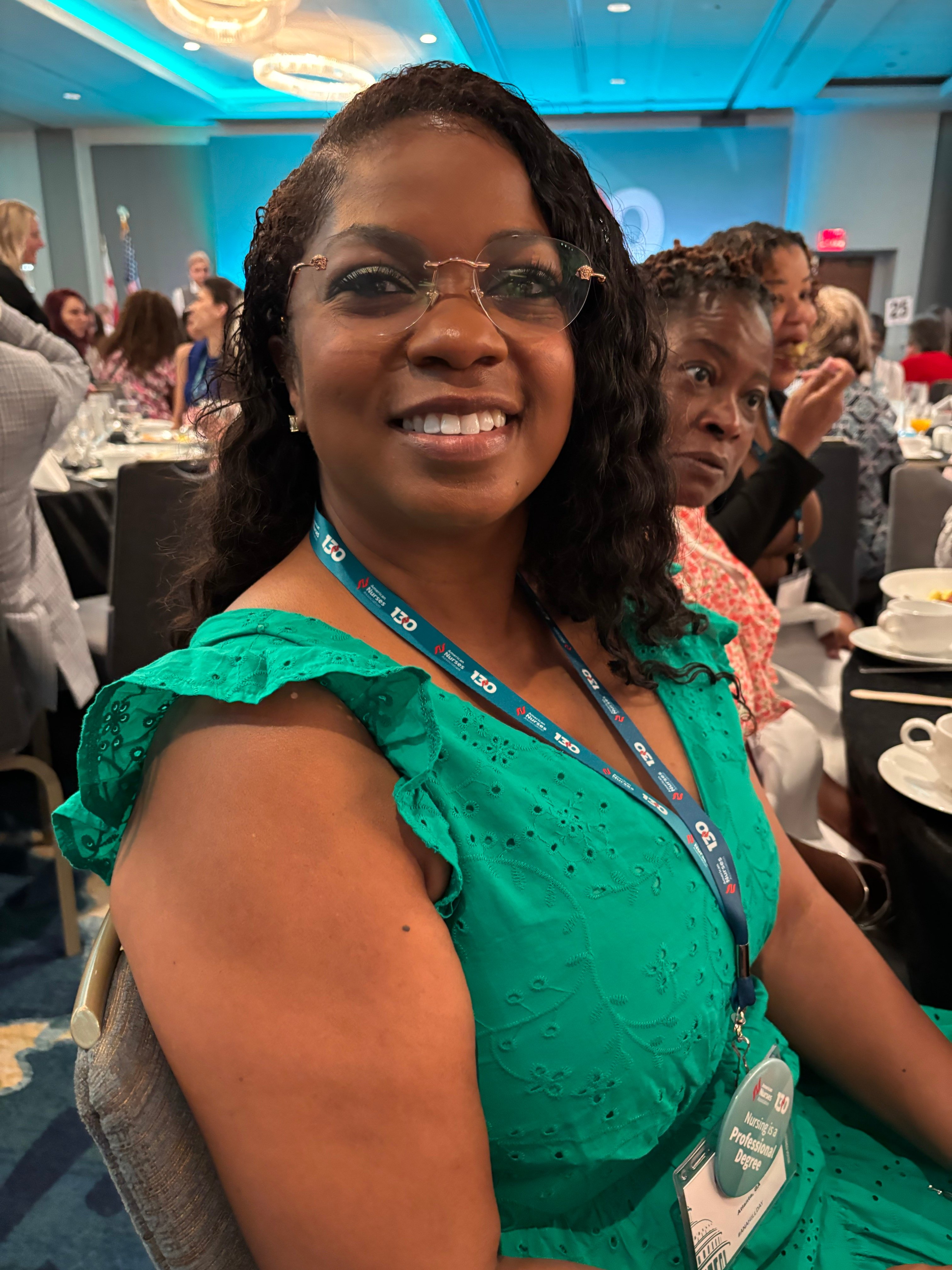
Erica Mills
Additionally, in their Hill Day visits, nurses advocated for support of the Workplace Violence Prevention for Health Care and Social Service Workers Act, H.R. 2531/S. 1232, which would require the Occupational Safety and Health Administration to finalize and enforce a final rule requiring healthcare employers to establish workplace violence prevention standards. This bill would also establish whistleblower protections for nurses who report violent incidents.
Attendees also were seeking at least $610 million in funding for the Title VIII Nursing Workforce Development Programs, $215 million for the National Institute of Nursing Research, and passage of Title VIII Nursing Workforce Reauthorization Act of 2025 (H.R. 3593/S. 1874), which would reauthorize these programs through Fiscal Year 2030. In Fiscal Year 2025, the programs received $305 million, which supported more than 24,000 nurses, nursing students, and grantees.
This funding was an advocacy priority for Joshua Thumm, MSN, RN, a member of the Health Policy and Legislation Committee of the West Virginia Nurses Association. “Education is a big issue in West Virginia, especially being able to encourage nurses to join nursing education,” he said. “There are better ways to make money, easier ways to make money as a nurse, but educators are really important, and they need to be recruited.”
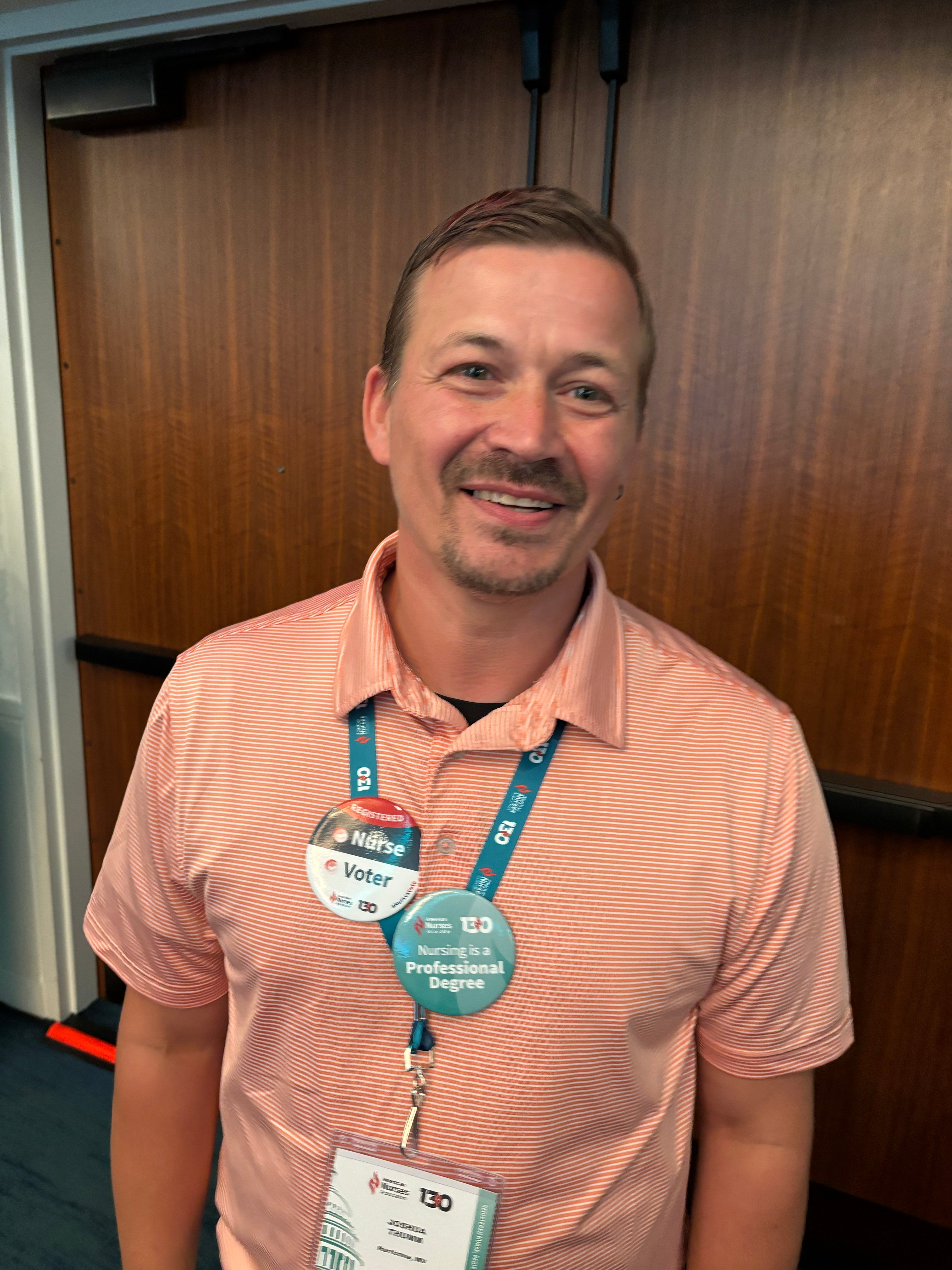
Joshua Thumm
Attendees also advocated for the Improving Care and Access to Nurses (ICAN) Act (H. 1317/S. 575), which would remove arbitrary, outdated barriers in the Medicare and Medicaid programs that currently prevent APRNs from practicing to the full extent of their education and clinical training.
Emily Rocha, MSN, MBA, RN, NE-BC, CHCQM, a member of the ANA Individual Member Division, was among the attendees who educated policymakers about the necessity of passing ICAN. “I've been a nurse for 18 years, but I'm now going back to finish my NP, and so I would just love to see that there is full practice authority in all of the states,” she said. “I know that that is still a state decision, but there's definitely federal impacts to it. That’s why I’m supporting the ICAN act.”
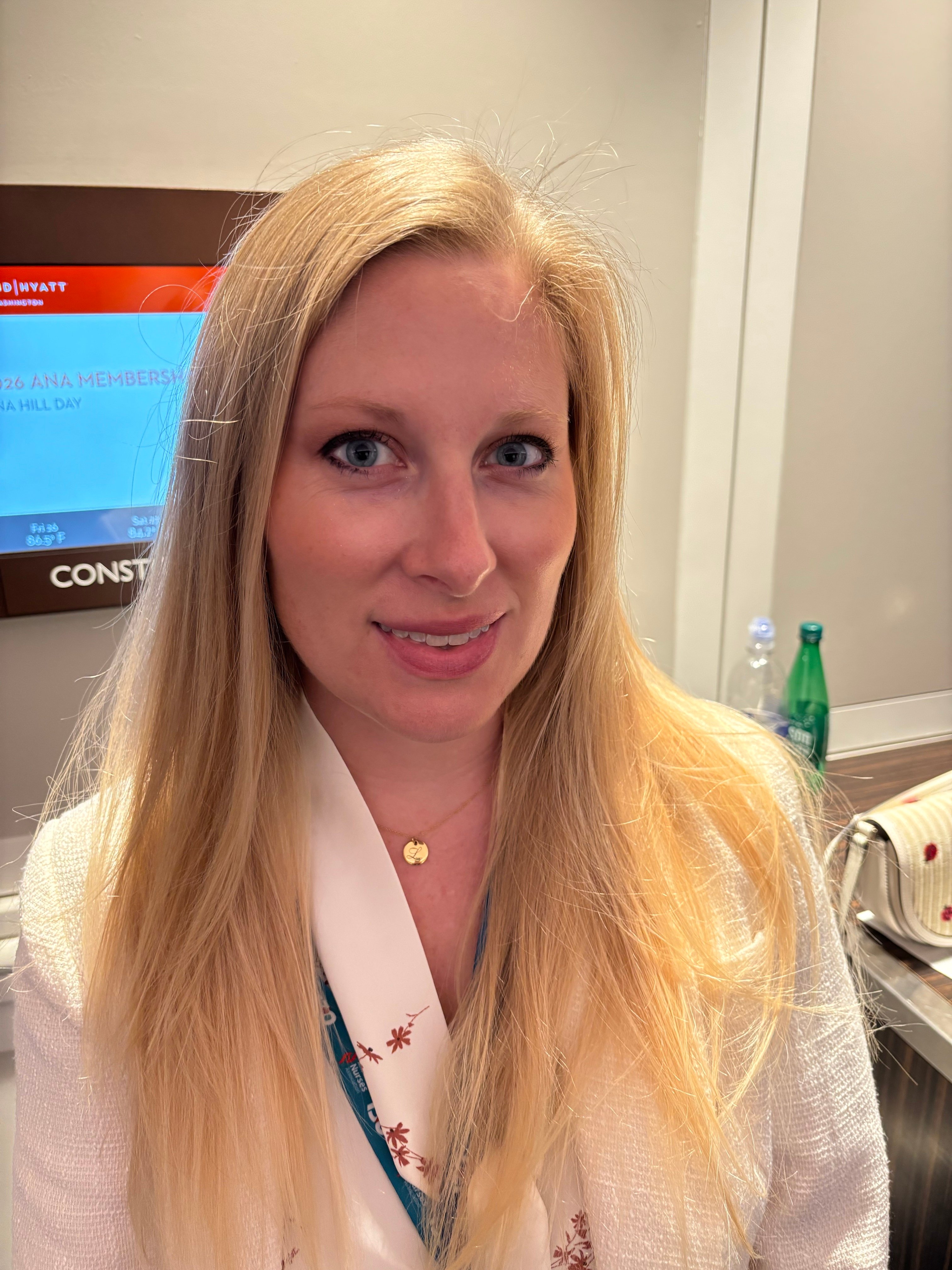
Emily Rocha
As the energized and determined nurses made their voices heard in the halls of Congress, their message reminded lawmakers that The Power of Nurses™ belongs everywhere decisions about healthcare are made.
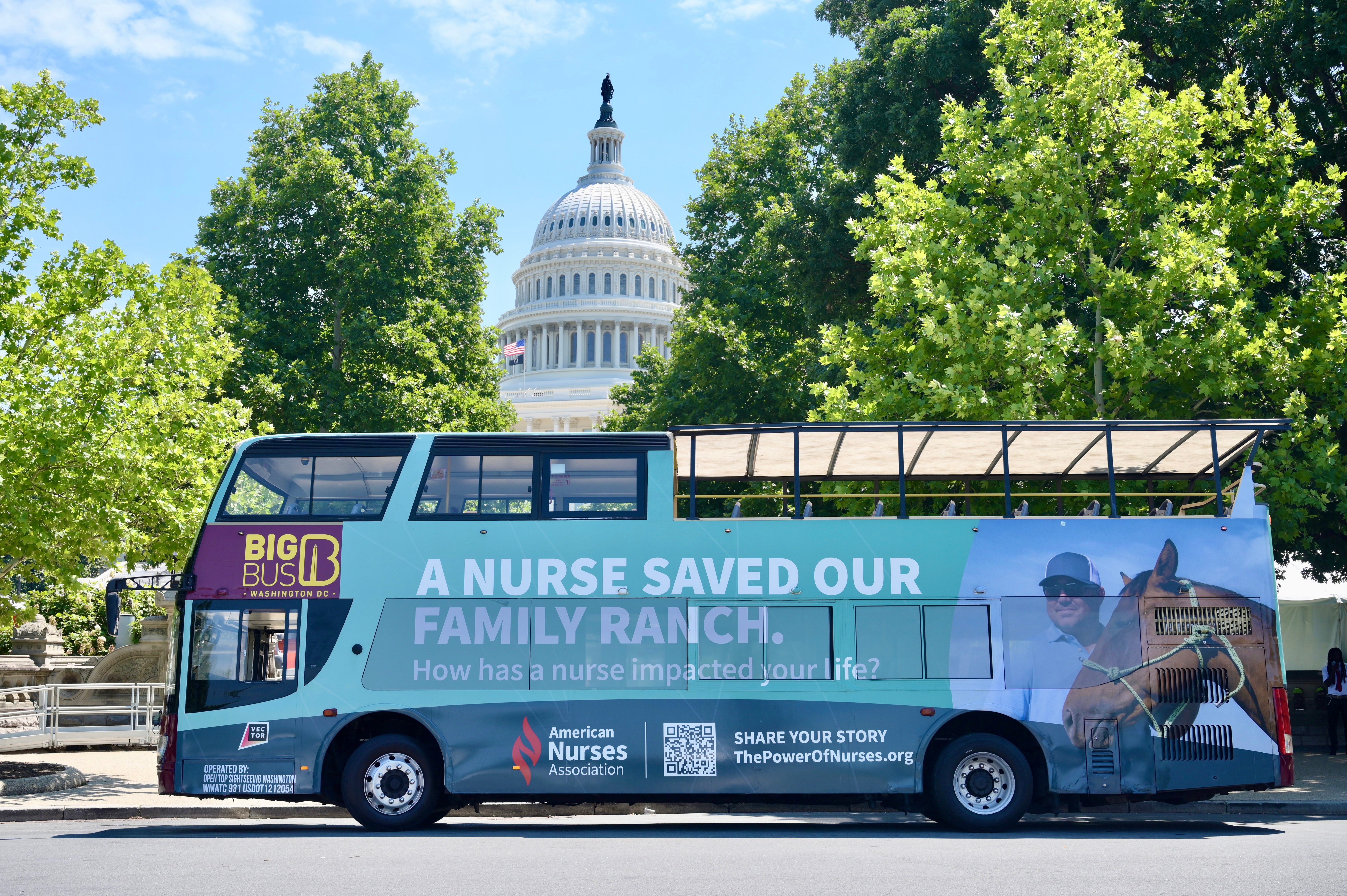
To amplify the messages being shared on Capitol Hill, many more advocates voiced their opinion online through ANA’s Day of Action. Read more and get involved at RNAction.org.
What's next
The 2026 ANA Membership Assembly, a meeting of the association's governing and official voting body, begins Friday, June 26 to consider a range of key nursing issues, conduct the business of the association, and elect national leaders.
Stay up to date and join the conversation!
For news on ANA Membership Assembly and related activities, follow ANA on Facebook, Instagram, and LinkedIn with #ANAHillDay and #ThePowerofNurses.