

The Next Healthcare Unicorn is a Nurse: Why RN Forward Founder Niki Pham is Teaching Clinicians to Build for Scale
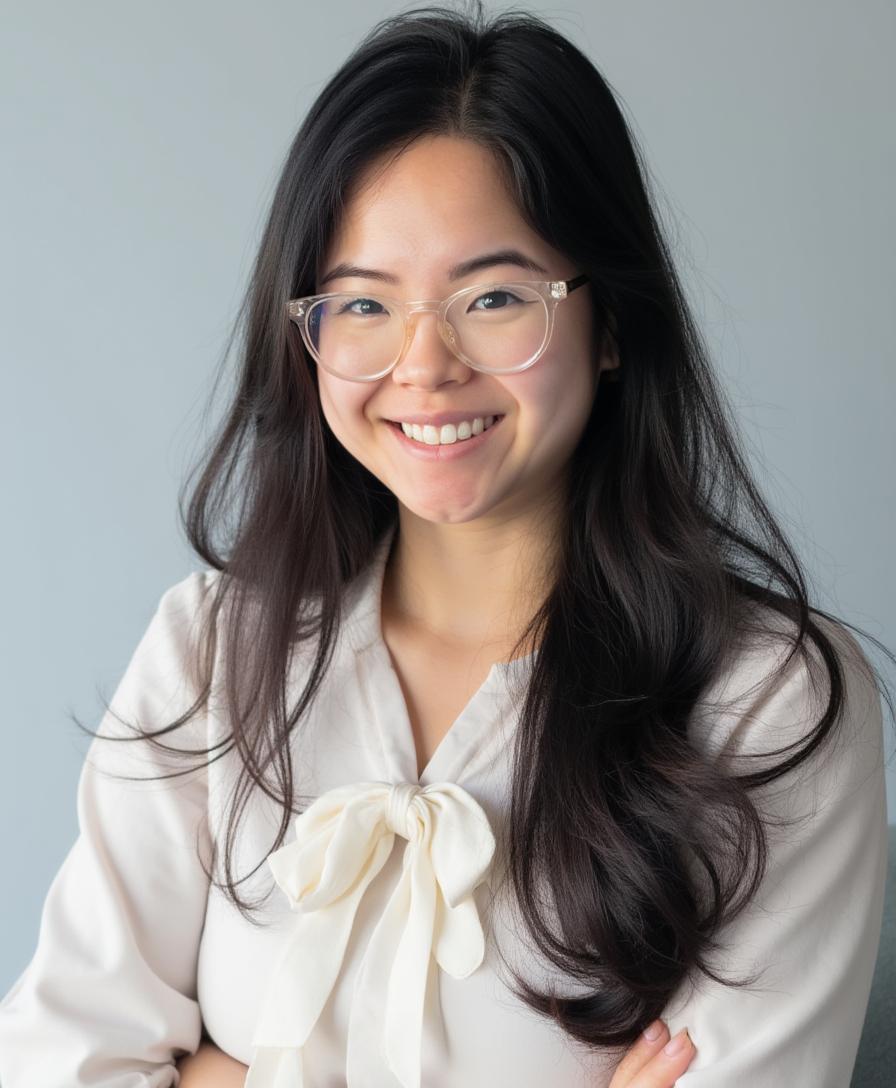 The glow of a San Francisco apartment often replaced the sterile light of the Intensive Care Unit for nurse Niki Pham. Her new roommate, deep in the grind of Silicon Valley startup accelerator Y Combinator, dragged Pham into the world of high-stakes health tech innovation.
Their late-night conversations became rapid-fire jam sessions, fueled by Pham's years of on-the-ground clinical experience. Discussing everything from physical therapy platforms to speech pathology solutions, Pham recalls, “At the time, it felt more like a therapy session; I didn't realize the formal way of saying what we were doing.” While her roommate held a Master’s of Public Health from Columbia, Pham possessed the gritty, bedside nursing details that were missing. When she finally attended a Bay Area health tech networking event, the disparity between market theory and clinical reality became clear. Though many founders were attempting to solve healthcare's biggest problems, Pham realized: "They were trying to learn, but it's very hard to reach clinicians."
“That sparked a lot of creativity and interest in me. I started attending more events and became active in the community,” which led her to spin out RN Forward, a newsletter dedicated to translating the world of health tech and innovation to nurses.
The ICU and the Road to Innovation
Pham’s clinical foundation began in the DC area, where she worked for two years as a CVICU nurse. This experience honed her critical thinking before she transitioned to travel nursing during the early days of COVID-19. Her move to the epicenter of tech innovation was serendipitous; an assignment in Hawaii fell through, leading her to accept a contract in San Francisco. She fell in love with her new hospital and extended her stay, eventually securing a per diem role. This prolonged exposure to the Bay Area’s culture became an inflection point in her career. Having lived in other tech hubs like New York City and Austin, Pham recognized a distinct "build-first" ethos in San Francisco.
Many nurse innovators and entrepreneurs get the spark while at the bedside trying to solve a problem, but Pham definitively says that was not her experience at all. It was her Y Combinator roommate who catalyzed her change in perspective. Pham explains, “The problem with nursing right now is that the way we set up our system is to bombard you with information to just survive. You do not have the mental capacity to think outside of that if you're so exhausted working three shifts a week. How could you give back to a system that is actively punishing you away?”
Forget the Stipends and Own the Equity
The way we support our nurses now does not tie into the economic incentives to drive healthcare systems money, Pham says.
In a perfect world, Pham wants to crowdsource nursing innovation in a way where nurses are handsomely compensated for their contributions. If nurses pursue intrapreneurship (developing an innovation through their employer), Pham advocates that if employers capitalize on that nurse’s ideas, then the nurse should receive a portion of that.
“Oftentimes, a nurse's innovation gets no visibility when you are building concurrently within your health system. You get overshadowed. Someone is going to take your idea, whether it's a higher-up nurse or a CEO. The reality is, your idea is not going to be visible in an ideal world.”
Pham wants a world where nurses own their intellectual property, and where nursing innovation is approached in a manner similar to any other business idea: co-designers where the nurse retains equity.
“There are so many good ideas out there, and no one cares enough to do it because no one wants to do it for $3 an extra hour. [Health systems and businesses] capitalize on nurses who are grateful to have their name out there, work one less shift a week, or be in a focus group. Bedside is so hard, the nurses are willing to take it, but this type of transaction would never happen in the business world. Nurses need more knowledge on business and negotiation, and knowing how valuable our domain expertise is.”
Data and the Fight for Reimbursement
Pham’s current mission centers on translating the world of health tech into actionable knowledge for nurses through her newsletter and platform, RN Forward. What began as fun blog evolved into a resource providing data-driven insights for nurse entrepreneurs.
She has manually verified information to create a publicly available database of nurse founders, organized into eight business categories to determine their economic viability. The database aims to be an actionable resource, showing "which founders to reach out to by subcategory, what accelerators you should participate in, and what venture capital firms have worked with nurses". Despite advice to monetize, Pham maintains, "I am a woman of the people; I want to make it free".
The work with RN Forward is strategically intertwined with the Commission of Nurse Reimbursement. Pham argues that while doctors can generate a billable rate, nurses are treated as a cost center, which contributes to burnout. This is because "at the end of the day, if we don't make a healthcare system money, they will not give us money to have a sustainable working environment". The commission's projects focus on economic-based research to demonstrate that administrative waste and third-party contracts are the true cost drivers, not nursing care. The ultimate goal is to shift the narrative, proving that nursing drives economic value.
Turning Nurse Ideas into Empires
Pham urges nurses who are ready to transition from innovators to entrepreneurs to adopt a scalable, business-first approach.
Here are four actionable steps nurses can take to start building their off their own ideas:
- Start with the problem, not the solution: Before building anything, nurses need to document the systemic "friction you run into in your job". Write down everything that makes your job difficult. Pham warns that if nurses don't own the solution, they risk becoming the product. For instance, the end result of many care management platforms is simply selling nurses in the form of nurse navigators. Meanwhile, founders get the credit for selling a nursing product.
- Use conversational AI as your ideation friend: Leverage advanced AI tools (like Claude) for market research, ideation, and even building a minimum viable product. Pham recommends treating it as your "smartest dumbest friend". Use it to brainstorm, identify competing solutions, and ask questions necessary for a business plan, such as who has the most money in your sector.
- Adopt a "billion-dollar" mindset: Nurses must shift their perspective from modest improvement to monumental scale. Do not limit yourself to a local business like a single med spa or IV hydration company, Pham insists. Instead, aim to build a franchise. Pham’s mandate is clear: "I want you to dream big and make billions off of your creation. That's the kind of scale I want nurses to build.” If nurses build bigger, they get more visibility.
- Seek out clinician-run funding: While pitching to the general public can be difficult, nurse-led ideas are finding a home in specialized venture capital firms. Seek funding from clinician-run VC firms; Pham highlights Nurse Capital and Scrub Capital. These organizations are "crowdsourcing our knowledge and writing the checks" and are better equipped to understand the severity and market need for clinical problems.
A New Economic Mandate for Nursing
By reclaiming intellectual property and demanding co-design partnerships within healthcare systems, nurses can move beyond survival mode and into roles of entrepreneurial influence. Now is the time for nurses to adopt a billion-dollar mindset and build the companies of healthcare’s future to ensure their clinical innovations achieve the monumental scale they deserve.
________________________________________
Resource